
Comfort & Travel Tips
Make every drive feel more considered.
A comfortable cabin is not about adding more. It is about better placement, supportive seating, useful storage and fewer distractions. Small adjustments can make everyday commutes and longer journeys feel calmer, cleaner and easier.

Four habits that make the cabin easier to live with.
The most useful changes are usually simple: support the body, reduce clutter, keep essentials within reach and protect visibility around the driver.
Set up your seat first
Adjust the seat and backrest before adding comfort accessories. Neck and lumbar support should complement your seating position rather than force it.
Keep essentials close
Position frequently used items where they can be reached without searching through the cabin or creating unnecessary distraction.
Reduce loose clutter
Use dedicated organizers for small travel items, charging cables, tissues, bottles and everyday cabin essentials.
Protect clear sightlines
Mount accessories so they do not obstruct mirrors, windows, displays or the driver’s natural view of the road.
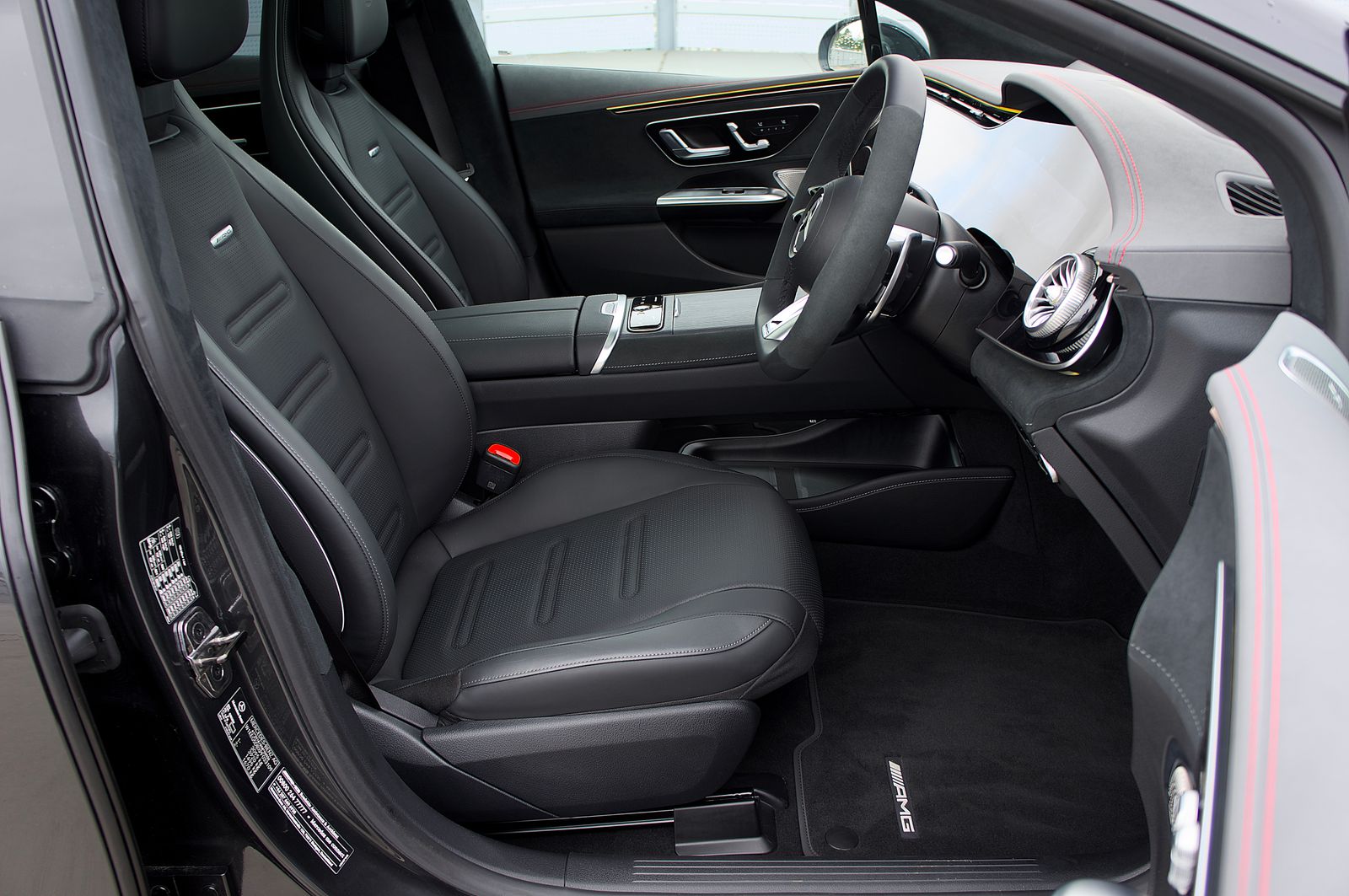
Support should feel natural, not forced.
Seat position has more influence on travel comfort than any single accessory. Begin with the vehicle’s own adjustments, then use additional neck or lumbar support only where it improves your normal posture.
- Set the driving position first Adjust seat distance, backrest angle and head restraint before adding extra support.
- Use lumbar support selectively Place support where it fills a natural gap rather than pushing the body forward excessively.
- Keep the neck neutral A neck pillow should provide gentle contact without forcing the head forward.
- Recheck after longer drives Small adjustments can feel different after extended time in the seat.
Prepare the cabin before the road gets long.
A few minutes of preparation can make road trips calmer for everyone in the vehicle. Think about comfort, access, charging and storage before departure.
Organize before departure
Give snacks, cables, tissues, travel documents and small personal items clear places before the trip begins.
Plan device placement
Mount navigation devices securely and position charging cables so they do not interfere with vehicle controls or passenger movement.
Keep comfort adjustable
Pillows, sun shades and travel accessories should be easy to reposition as light, temperature and passenger needs change.
Leave room to move
Avoid overfilling footwells, seats and console areas. A calmer cabin usually comes from fewer loose objects, not more accessories.
Comfort improves when clutter stops competing for space.
An organized cabin feels more relaxed because useful items have predictable places. Keep the center console, seat backs, cup holders and trunk working together instead of becoming separate clutter zones.

Build a cabin routine that works before, during and after the drive.
Comfort is easier to maintain when the vehicle is prepared consistently rather than reorganized from scratch for every trip.
Reset the important areas.
Clear the driver area, check phone placement, confirm charging access and make sure loose objects cannot move into the footwell.
Keep adjustments simple.
Use accessories that can be adjusted without dismantling the cabin. Comfort products should make travel easier, not create another task.
Return the cabin to neutral.
Remove rubbish, reconnect loose cables, return travel items to storage and leave the cabin ready for the next drive.

Design the trip for everyone in the cabin.
Passenger comfort changes with journey length, sunlight, temperature and the amount of personal gear in the vehicle. Keep the environment flexible enough to adapt without making the cabin feel crowded.
Practical comfort, without overcomplicating the cabin.
These simple guidelines can help you decide where comfort and travel accessories fit best within your everyday driving routine.
Where should I place lumbar support in the seat?
Position lumbar support where it gently fills the natural space behind your lower back. It should feel supportive without forcing your torso forward or changing your normal reach to the controls.
How can I keep charging cables from making the cabin feel cluttered?
Use the shortest practical route between the charging point and device. Keep excess cable away from the gear selector, steering area, pedals and passenger movement zones.
What should stay within easy reach on a long trip?
Keep frequently used items such as charging cables, tissues, water and essential travel documents accessible without allowing them to become loose objects around the cabin.
How do I know if an accessory is making the cabin too crowded?
If an accessory blocks normal movement, makes controls harder to reach, obstructs visibility or forces other essentials into awkward locations, reconsider its position or whether it needs to remain in the cabin.
Should travel accessories stay installed all the time?
Not necessarily. Accessories used only for longer journeys can be stored between trips if removing them makes everyday driving simpler and keeps the cabin more open.
What is the simplest way to make the cabin feel more comfortable?
Start by removing loose clutter, setting the seat correctly and giving frequently used items consistent storage locations. Comfort often improves before any additional accessory is added.
Build a cleaner, calmer cabin around the way you drive.
Explore ViaNest essentials for seating comfort, organized storage, in-car convenience, device placement and more considered everyday travel.